

Coming home after a hospital stay or surgery can be an overwhelming transition. You may be well enough to leave the hospital, but still need time and support before you’re back to your usual routine. That’s where our transition and recovery care can help — providing the assistance and peace of mind needed during those first days and weeks at home.
What Recovery Care Actually Covers
This service is built around a temporary window, evaluated individually for each family: helping someone get home safely after a hospital stay or surgery, and supporting them while they regain strength. During that window, a caregiver can help with:
- Getting settled safely at home right after discharge
- Picking up prescriptions
- Daily support with mobility, meals, and personal care while strength returns
- Coordinating with any other providers already involved in the recovery
This type of support can be especially valuable for families who don’t have local help nearby, or when a loved one needs more hands-on support than family members can provide while balancing their own responsibilities.
We Do Not Provide Skilled Nursing Services
A Lending Hand does not perform skilled nursing tasks. If a client needs skilled services such as wound care, physical or occupational therapy, medication management, or tube feeding, we can help refer clients to those types of providers.






Getting the Timing Right
Recovery care works best when it’s planned ahead of time, giving everyone a clear support plan in place before discharge day arrives. If you know a hospital stay or surgery is coming up, reaching out ahead of time allows us to prepare the right support so a caregiver is ready to help as soon as your loved one returns home — getting settled, picking up prescriptions along the way, and easing into that first difficult day. If discharge has already happened and you’re arranging care afterward, we can typically start within a short window once we understand what your loved one needs.
Throughout the recovery period, we stay in touch with the family, not just the client, so you know how things are progressing even if you’re not there for every visit.
What a Typical Recovery Visit Looks Like
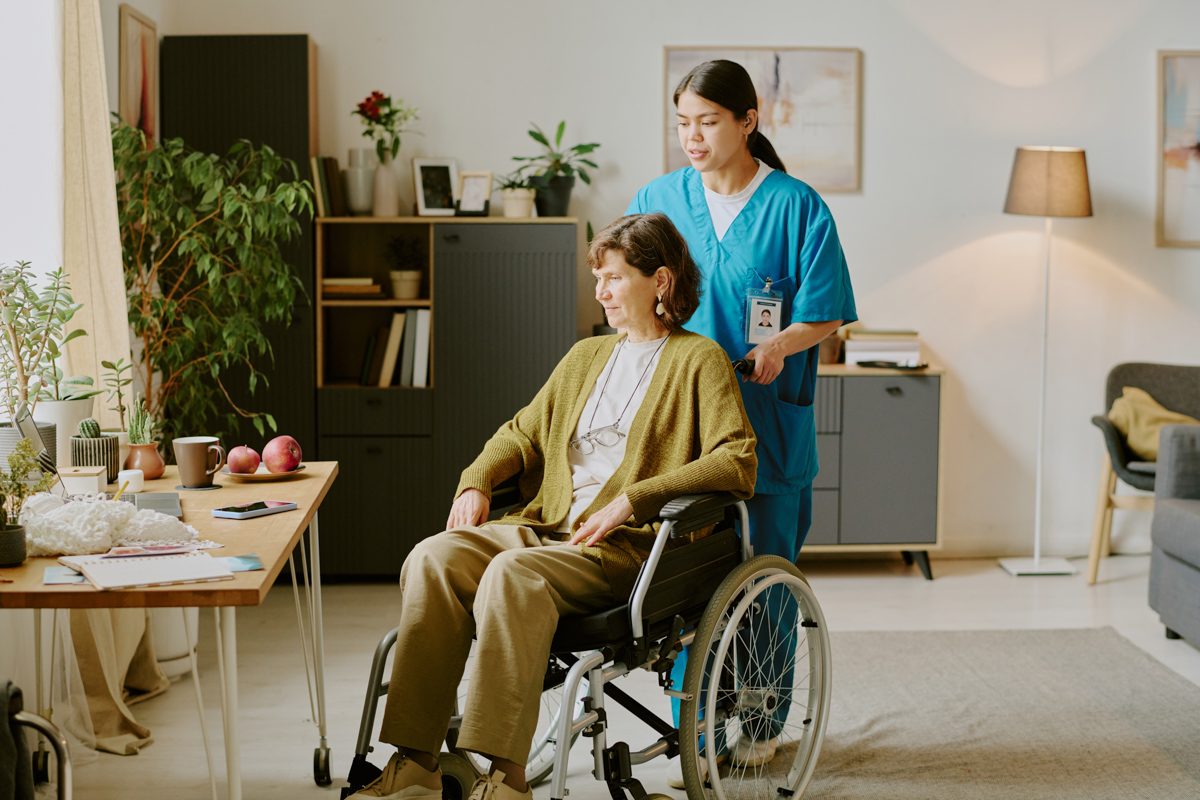
During the first days home, recovery care is often about creating a safe, comfortable environment — helping with mobility, offering medication reminders, and taking care of meals while your loved one is still regaining strength. As recovery progresses, the focus naturally shifts toward supporting independence and helping them return to their routine with confidence.
The 24/7 Difference
Coming home from the hospital rarely happens at a convenient time. That’s why Francesca and Tina remain directly reachable, day or night, rather than having families go through a call center or answering service. If a question comes up during that first night home, you’ll be able to connect with someone who knows your care plan and your family’s situation, not wait for a callback from someone unfamiliar.
Working with Hospital Staff and Care Managers
Recovery care often begins with a referral from someone already involved in a person’s care. Discharge planners, hospital case managers, and geriatric care managers frequently reach out to us when a patient is preparing to return home and needs additional support beyond what family can provide.
If you’re a care manager or discharge planner reading this on behalf of a client or patient, we’d be happy to discuss how a smooth transition can work. We’re experienced in coordinating directly with care teams and helping put support plans in place before someone arrives home, so families aren’t left trying to figure everything out after discharge.
Recovery Care and Family Peace of Mind
For families who live out of town, arranging recovery care often provides real reassurance during a difficult time. Having someone experienced there to provide support and help your loved one regain strength safely brings peace of mind, especially when you aren’t able to be there in person each day. We keep family members updated throughout the recovery journey, wherever they may be.
Starting Recovery Care
The easiest time to arrange recovery care is before discharge, but we know that’s not always possible. Whether you’re planning ahead of a scheduled surgery or arranging support after an unplanned hospital stay, the process starts the same way: a conversation about what your loved one needs, followed by a care plan built around their specific recovery.
Why Families Choose A Lending Hand for Recovery Care
- We know the arc of recovery. Our care plans account for the fact that strength and independence return gradually, not all at once.
- Consistent caregiver matching throughout the recovery window, so your loved one isn’t re-explaining their situation to someone new every few days.
- We coordinate, not compete, with skilled providers. If hospice or a skilled nursing service is already involved, we work alongside them.
- We answer the phone ourselves. If something changes during recovery, day or night, you’re reaching a family member of the business.
Frequently Asked Questions
The sooner we know, the better. Ideally, families reach out before discharge day so a caregiver can be prepared to help with the transition home. Having a plan in place ahead of time makes those first days at home much smoother.
Every recovery is different, and there’s no fixed timeline — we evaluate each case individually based on your loved one’s needs and continue to check in and adjust support as recovery progresses.
No. We provide non-medical, hands-on support — helping with mobility, personal care, and daily living tasks. If skilled nursing is needed, we coordinate closely with that provider.
We can absolutely provide support alongside hospice care. Hospice handles the medical and skilled side of care; we handle daily support and continuity in the home.
Whenever possible, yes — we try to keep one caregiver assigned throughout the recovery window rather than rotating several caregivers.
Yes. We regularly coordinate directly with discharge planners and care managers to set up recovery care before a patient even leaves the hospital.
Yes, transportation to and from follow-up appointments can be part of the recovery care plan, along with the daily support your loved one needs at home in between visits.
Schedule a Free In-Home Assessment Today
Recovery is rarely a straight path, and having dependable support at home can make a meaningful difference during those first weeks. If a family caregiver needs a break during that stretch, short-term respite care can cover it. If someone in your family is preparing to come home from the hospital or has recently returned home, schedule a free in-home assessment and we’d be glad to talk through what kind of support would be most helpful.