

Caring for someone with dementia or Alzheimer’s requires a different approach than other types of caregiving. It calls for more than kindness and patience — it requires specialized knowledge and the ability to respond effectively when a client becomes confused, anxious, agitated, or combative. Knowing how to handle those moments with confidence and compassion is what sets our dementia care apart from compassionate memory care.
What Dementia-Trained Caregivers Actually Know How to Do
Every caregiver assigned to a dementia or Alzheimer’s client completes specialized dementia care training in addition to their standard CNA or HHA certification. This training equips them to recognize the early signs of confusion, anxiety, or agitation and respond with proven, person-centered techniques. Rather than escalating a difficult moment, they know when to pause, give the client space, and re-engage in a calm, reassuring way. These skills help prevent many situations from becoming distressing or unsafe, creating a more supportive environment for both the client and their family.
Why Caregiver Consistency Matters Even More Here
Consistency in caregiving is important for every client, but it’s especially valuable for those living with dementia. Seeing a familiar caregiver helps reduce confusion, build trust, and create a greater sense of comfort and security. That’s why we strive to keep the same caregiver assigned to each dementia client whenever possible. For individuals with dementia, familiar routines and familiar faces aren’t simply a preference — they’re an essential part of providing effective, person-centered care.
If your loved one’s regular caregiver is unavailable, we make every effort to ensure a seamless transition. The substitute caregiver receives the client’s complete care plan, including personalized information about their routines, preferences, known triggers, and the techniques that help provide comfort and reassurance. This preparation helps maintain continuity of care and minimizes unnecessary stress or disruption.






As the Condition Progresses
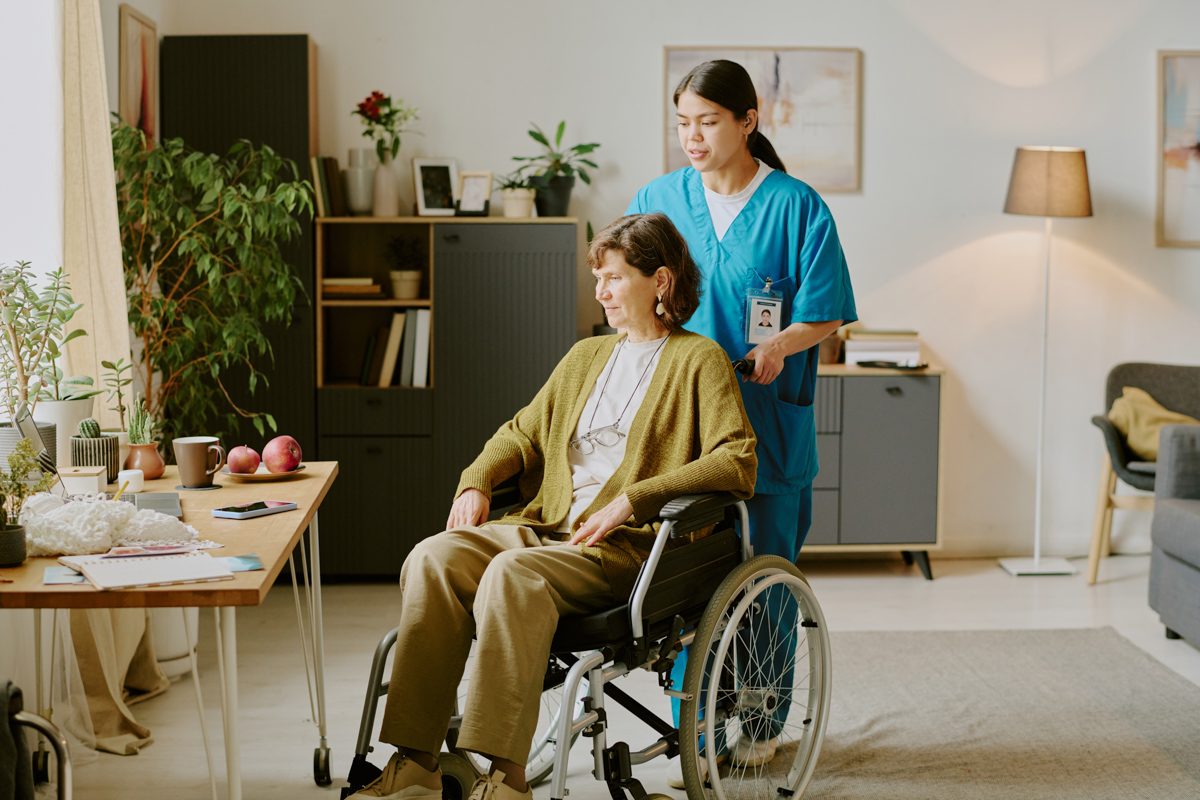
Dementia and Alzheimer’s are progressive conditions, which means a person’s care needs often change over time. Someone who initially requires just a few hours of supervision each day may eventually benefit from more comprehensive support. As those needs evolve, we adapt the level of care while maintaining continuity. Our caregivers build on the same personalized care plan, routines, and insights into what provides comfort and what may cause distress, so each transition feels like a continuation of care.
That consistency also applies to how we handle challenging moments. Recognizing early signs of agitation and responding in a calm, supportive way isn’t a one-time skill — it remains an ongoing part of how each client’s care is managed. As a person’s needs change and the level of support increases, caregivers continue to use what they’ve learned about the individual to provide responses that are familiar, reassuring, and effective.
What a Typical Visit Looks Like
A dementia care visit includes the same essential hands-on personal care services — assistance with bathing, dressing, medications, and meals — while also incorporating techniques designed specifically for individuals living with memory loss. This may include creating a familiar daily routine to provide comfort and reduce anxiety, or using gentle redirection when a client becomes confused rather than focusing on correcting them. These thoughtful, personalized approaches can make a meaningful difference in helping clients feel safe, supported, and more at ease throughout their day.
The 24/7 Difference
Dementia care can involve unexpected changes, which is why we make sure a member of our team is available to provide direct support at any time. If something changes with your loved one’s condition, behavior, or care needs, you have a trusted point of contact who can respond and help guide the next steps.
When Families Usually Reach Out
Dementia and Alzheimer’s care decisions rarely begin with one single defining moment. More often, they develop gradually through a series of smaller changes — a parent who begins asking the same questions repeatedly, a loved one who has become disoriented or had a close call while wandering, or a spouse who has been carrying the responsibility of care and is reaching a point of exhaustion.
If any of these situations feel familiar, starting the conversation early can make the path forward feel more manageable. A free in-home assessment doesn’t require a commitment — it simply provides an opportunity to better understand your loved one’s needs and explore what the right level of support could look like.
Supporting the Family, Not Just the Client
Dementia care impacts more than just the individual receiving support — it affects the entire family. We believe communication with family members is an essential part of quality dementia care. We keep families informed about how their loved one is doing, how they’re adjusting to their caregiver, and any changes we observe along the way. Even small shifts can be meaningful, and we want you to have that information directly from us rather than discovering changes on your own later. If the demands of dementia caregiving are wearing on you, respite care for family caregivers is also available to give you a regular break.
Why Families Choose A Lending Hand for Dementia and Alzheimer's Care
- Specific de-escalation training, not just general patience. Our caregivers are taught concrete steps for combative or confused moments — not left to improvise.
- Consistent caregiver matching, which matters more for dementia clients than almost any other kind of care.
- A thorough screening process for every caregiver on our team, so families can feel confident about who’s providing care.
- We answer the phone ourselves, so if something changes with your loved one’s condition, you’re talking to a family member of the business, not a call center.
Frequently Asked Questions
Our caregivers complete dementia and Alzheimer’s training that covers recognizing early signs of agitation or combative behavior, and how to de-escalate by stepping back and re-approaching calmly, rather than pushing through a difficult moment.
We make every effort to keep caregiver assignments as consistent as possible. For individuals living with dementia, having a familiar caregiver is especially important, as a trusted presence can help reduce confusion, ease anxiety, and create a greater sense of comfort and security.
Yes. Dementia care includes the full range of personal care support — bathing, toileting, mobility, and medication reminders — with the added layer of dementia-specific training.
Our caregivers are trained to recognize early signs of distress and respond in a way that prioritizes comfort and safety. Instead of pushing through a difficult moment, they know when to pause, give the client space, and allow time for things to settle. Once the person feels more comfortable, they can gently re-approach and continue care in a calm, supportive way.
It depends on what your family needs — we customize the schedule around your situation during the free in-home assessment, whether that’s a few hours a day or more extensive coverage.
Yes. Overnight coverage can be arranged as part of a personal care or dementia care plan, specifically for situations like nighttime confusion, wandering risk, fall risk, or a family simply wanting someone present through the night for peace of mind.
Yes. Medication reminders are included as part of our personal care and dementia care visits. Caregivers can provide reminders and support with maintaining a medication routine, but they do not administer medications or take the place of a medical professional. This support can be especially helpful as memory changes make it more difficult for some individuals to remember their medications consistently.
Schedule a Free In-Home Assessment Today
If you’re navigating a new dementia or Alzheimer’s diagnosis in your family, or just starting to notice changes, we’re glad to talk through what care could look like. Schedule a free in-home assessment before you have to make any decisions.